Niagara Escarpment HVAC Tips: Optimize Your Hamilton Home Comfort

Hamilton and the surrounding communities, nestled along the breathtaking Niagara Escarpment, offer a unique blend of natural beauty and vibrant community life. From the historic charm of Dundas to the scenic vistas of Stoney Creek and the bustling energy of Burlington, our homes are as diverse as the landscape itself. But living in such a distinct geographical area also presents specific considerations for maintaining optimal indoor comfort and energy efficiency.
At Mt. Hope Heating & Cooling Ltd., a trusted, family-run HVAC company with over 40 years of experience serving Hamilton, Ancaster, Dundas, Stoney Creek, Burlington, Grimsby, Waterdown, Binbrook, Oakville, Milton, Brantford, and Caledonia, we understand the nuances of heating and cooling homes in this region. As spring unfolds, bringing its own mix of sunny days and unexpected chills, it's the perfect time to ensure your HVAC system is ready for anything the Escarpment weather throws your way. Here are our expert HVAC tips specifically tailored for homes in the Niagara Escarpment area.
Why Escarpment Homes Have Unique HVAC Needs
The Niagara Escarpment creates microclimates and environmental conditions that directly impact your home's heating and cooling requirements:
- Humidity Challenges: Proximity to Lake Ontario, combined with the Escarpment's elevation changes and lush vegetation, can lead to higher humidity levels, especially during spring and summer. This can make your home feel muggier and impact indoor air quality.
- Temperature Fluctuations: Weather patterns can be highly localized. One side of the Escarpment might experience different temperatures or wind patterns than the other, leading to rapid temperature swings that your HVAC system needs to adapt to quickly.
- Older Home Considerations: Many beautiful homes along the Escarpment boast historical charm, which often means older insulation, original windows, and unique architectural features that can affect heat retention and airflow.
- Shade and Sun Exposure: Depending on your home's orientation relative to the Escarpment, you might experience significant differences in sun exposure or shade, impacting heating and cooling loads throughout the day.
1. Prioritize Spring HVAC Maintenance: Prepare for All Seasons
Spring is the ideal time to schedule professional HVAC maintenance. This isn't just about preparing for summer; it's about ensuring your entire system is in top shape after the long winter and ready for the varied spring weather.
- AC Tune-Up: A thorough inspection, cleaning, and tune-up of your air conditioning unit will ensure it runs efficiently when the summer heat arrives. This includes checking refrigerant levels, cleaning coils, and inspecting electrical components.
- Furnace Check-Up: Even though winter is behind us, having your furnace inspected now can catch minor issues before they become major problems next fall. It also ensures it's operating safely and efficiently.
- Filter Replacement: A clean air filter is crucial year-round, but especially in spring when pollen counts are high. Replace your furnace filter every 1-3 months, or more frequently if you have pets or allergies. A clogged filter reduces efficiency and air quality.
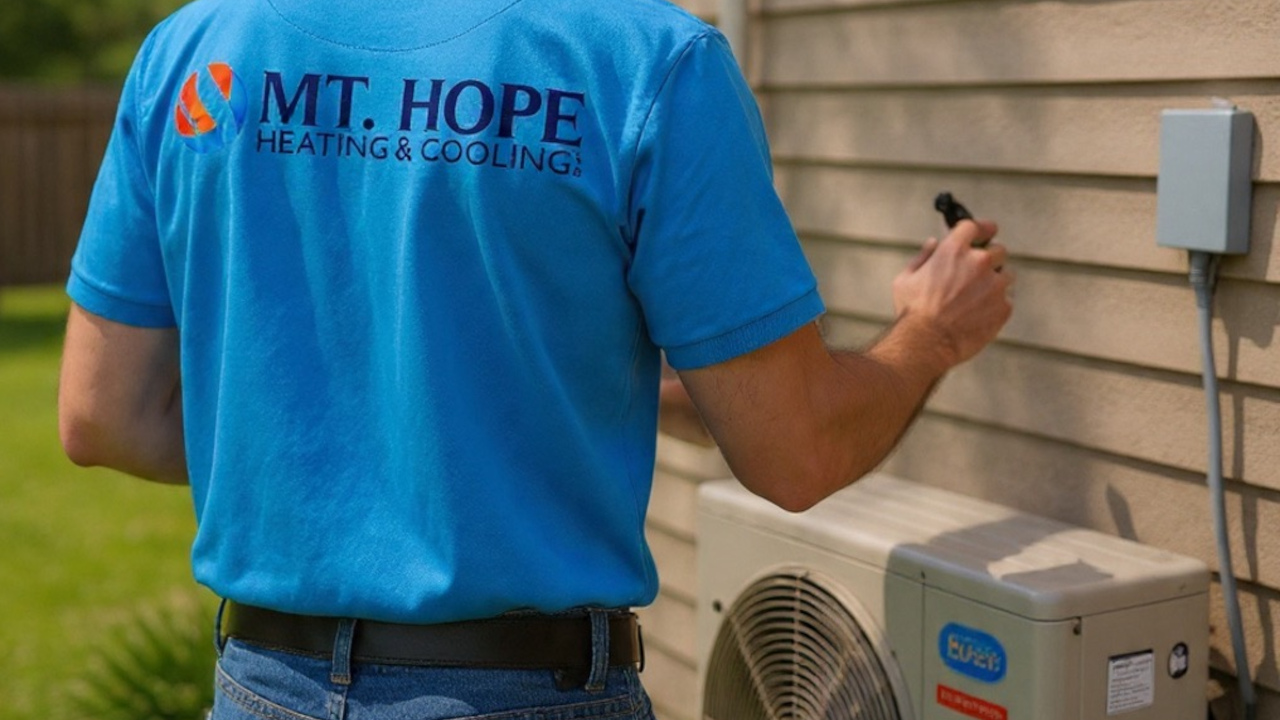
- Outdoor Unit Clearance: Clear away any winter debris, leaves, or new spring growth from around your outdoor AC unit. Ensure there's at least two feet of clearance on all sides for optimal airflow.
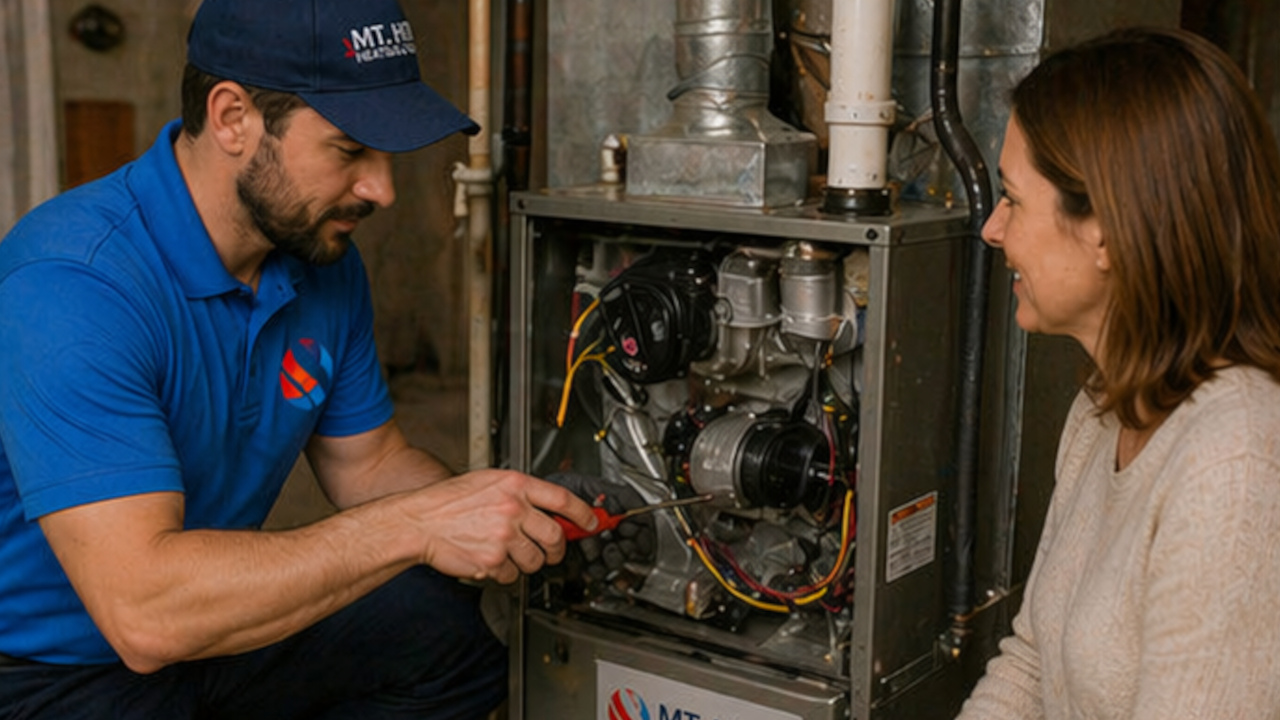
Our experienced technicians at Mt. Hope Heating & Cooling can provide comprehensive spring maintenance, giving you peace of mind and extending the life of your equipment.
2. Humidity Control is Key for Escarpment Homes
Given the propensity for higher humidity in our region, proactive humidity control is paramount for comfort and protecting your home from moisture-related issues.
- Dehumidifiers: Consider a whole-home dehumidifier integrated into your HVAC system. Unlike portable units, these systems work silently and efficiently to maintain optimal humidity levels (ideally between 30-50%) throughout your entire home. This not only enhances comfort but also helps prevent mold growth, dust mites, and wood damage.
- Proper Ventilation: Ensure your bathroom and kitchen exhaust fans are used regularly, especially during and after showering or cooking, to vent moisture outside. Check that these vents are clear and functioning correctly.
- Seal Air Leaks: Air leaks around windows, doors, and foundations can allow humid outdoor air to infiltrate your home. Seal these gaps with caulk or weatherstripping to improve both humidity control and energy efficiency.
3. Utilize Smart Thermostats to Adapt to Microclimates
A smart thermostat is an invaluable tool for homes in areas with fluctuating temperatures like the Escarpment. These devices learn your preferences and can be programmed to adjust settings based on external conditions or your schedule.
- Programmable Schedules: Set different temperatures for different times of day to optimize energy use when you're away or sleeping. Many smart thermostats can even sense when you're home or away.
- Zoning Systems: For larger homes or those with varying sun exposure, consider an HVAC zoning system. This allows you to heat or cool different areas of your home independently, addressing specific microclimates within your house and avoiding heating/cooling unused rooms.
- Remote Access: Adjust your home's temperature from your smartphone, even when you're not home, ensuring comfort upon your return and saving energy when plans change unexpectedly.
4. Optimize Airflow and Ventilation
Efficient airflow and proper ventilation are fundamental to an effective HVAC system, especially in homes that might experience unique air pressure dynamics due to elevation or older construction.
- Duct Cleaning: Over time, dust, allergens, and even mold can accumulate in your ductwork. Professional duct cleaning can improve air quality, enhance system efficiency, and reduce the circulation of pollutants, which is particularly beneficial during allergy season.
- Clear Vents and Registers: Ensure all supply and return air vents are unobstructed by furniture, rugs, or drapes. Blocked vents restrict airflow, forcing your system to work harder.
- Insulation Check: While not strictly an HVAC component, adequate insulation in your attic and walls is crucial for maintaining consistent indoor temperatures and reducing the workload on your heating and cooling system. Consider an energy audit to identify areas for improvement.
5. Consider System Upgrades for Enhanced Efficiency and Comfort
If your HVAC system is older, particularly in an older home, upgrading to a modern, high-efficiency unit can offer significant benefits.
- High-Efficiency Furnaces & ACs: Modern systems are designed to be far more energy-efficient than units from even 10-15 years ago, leading to substantial savings on utility bills. They also offer quieter operation and more consistent comfort.
- Heat Pumps: For homes in our climate, heat pumps are an increasingly popular and energy-efficient option. They can both heat and cool your home, providing excellent year-round comfort with a single system.
- HVAC System Sizing: It's critical that your HVAC system is properly sized for your home's specific needs, especially given the unique characteristics of Escarpment properties. An oversized or undersized unit will run inefficiently and struggle to maintain comfort. As a family-run business for over 40 years, Mt. Hope Heating & Cooling can perform a thorough load calculation to recommend the perfect system for your home.
6. Understand Your Home's Unique Microclimate
Take time to observe how external factors affect your home's interior comfort. Does one side of your house get significantly more afternoon sun? Is a particular room always cooler due to shade from the Escarpment? These observations can inform how you use your thermostat, window coverings, and even where you might benefit from localized heating or cooling solutions.
For instance, heavy, insulated curtains or blinds can be very effective at blocking solar gain on sun-exposed windows during summer and retaining heat during cooler spring evenings. Strategic landscaping can also provide shade where needed.
Your Local HVAC Experts: Mt. Hope Heating & Cooling
Maintaining a comfortable and energy-efficient home along the Niagara Escarpment requires a thoughtful approach to your HVAC system. By implementing these tips, especially focusing on spring maintenance and humidity control, you can ensure your home remains a sanctuary regardless of the weather outside.
For any questions, professional maintenance, repairs, or system upgrades, trust the local experts at Mt. Hope Heating & Cooling Ltd. We're proud to serve our neighbours across Hamilton and surrounding areas with reliable, honest, and high-quality HVAC services.
Ready for Year-Round Comfort?
Don't let the unique weather patterns of the Niagara Escarpment compromise your home comfort. Take action this spring!
Call Mt. Hope Heating & Cooling Ltd. today at 905-679-0101 or visit us online at mthopehvac.com to schedule your service. We look forward to helping you achieve optimal home comfort!
Need HVAC Help?
Our expert team is ready to help with all your heating and cooling needs.
Call 905-679-0101