Electric vs. Gas Fireplaces: Which is Right for Your Hamilton Home?
The leaves are turning vibrant colours, the air is crisp, and evenings are getting cooler – it can only mean one thing: fall has officially arrived in Hamilton! For many homeowners across Ancaster, Dundas, Stoney Creek, and beyond, this season sparks dreams of cozy nights spent by a warm, crackling fire. But as you consider adding or upgrading a fireplace, a fundamental question arises: should you choose an electric or a gas model?
At Mt. Hope Heating & Cooling Ltd., we've been helping Hamilton-area families stay warm and comfortable for over 40 years. We understand that choosing a fireplace isn't just about heat; it's about creating an atmosphere, enhancing your home's value, and making a practical decision that fits your lifestyle. Let's break down the key differences between electric and gas fireplaces to help you decide which is right for you.
Understanding Gas Fireplaces: The Traditional Warmth
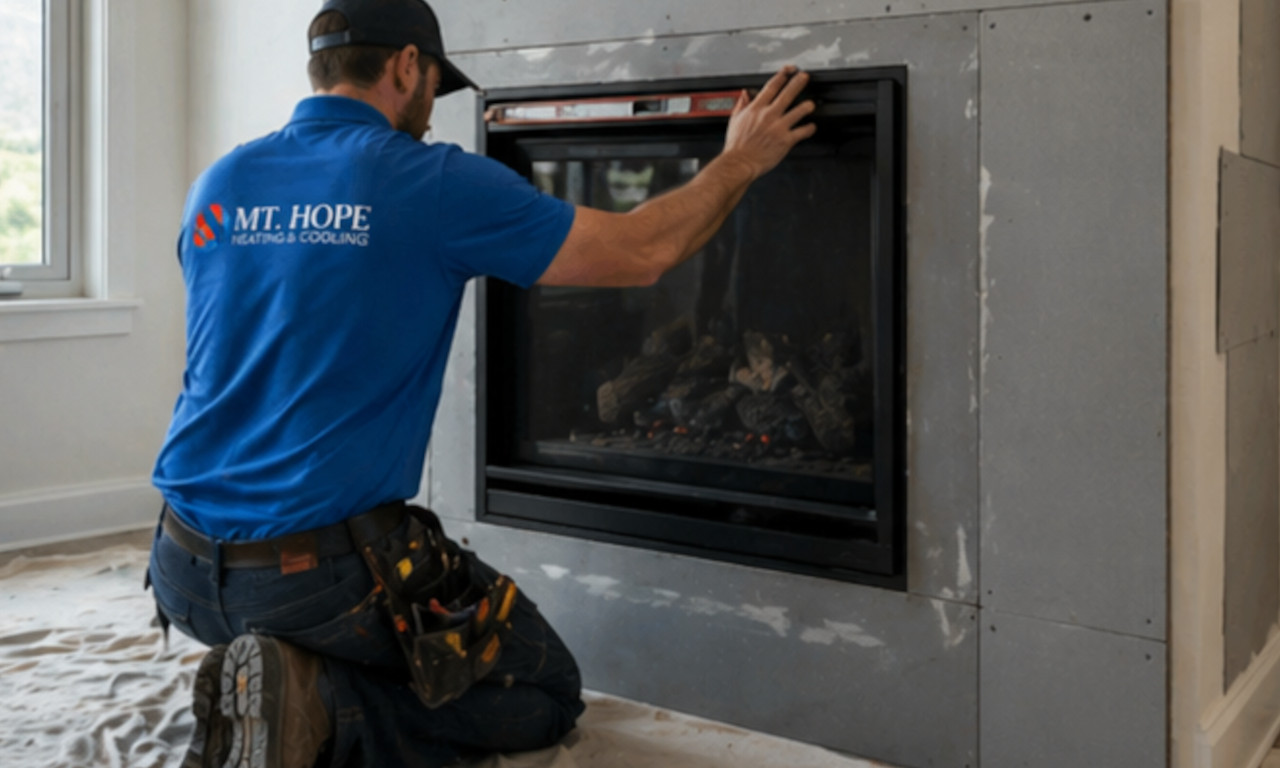
Gas fireplaces offer the authentic charm of a traditional fire with the convenience of modern technology. They burn natural gas or propane, providing a robust heat source and a mesmerizing flame that's difficult to replicate.
Pros of Gas Fireplaces:
- Authentic Ambiance: Nothing quite compares to the look and feel of a real flame. Gas fireplaces provide a warm glow and a lifelike flame pattern, often with realistic log sets.
- Powerful Heat Output: Gas fireplaces are excellent supplemental or even primary heat sources for a room, measured in BTUs (British Thermal Units). They can quickly warm up a chilly space, making them ideal for those cold Ontario winters.
- Reliability: Many gas fireplaces, especially those with standing pilot lights or battery backup, can operate during power outages, offering peace of mind and warmth when you need it most.
- Convenience: With the flip of a switch or a remote control, you can ignite your fire instantly – no chopping wood, no ashes to clean.
Cons of Gas Fireplaces:
- Installation Complexity & Cost: Gas fireplaces require a gas line connection and a venting system (either direct vent or B-vent) to safely expel combustion byproducts. This often means professional installation, which can be a significant upfront investment, particularly if you don't already have a gas line or chimney.
- Maintenance: While less messy than wood-burning, gas fireplaces still require annual professional servicing to ensure they operate safely and efficiently. This includes checking the gas lines, burner, and venting system.
- Venting Requirements: Proper ventilation is crucial for safety, which can limit placement options.
- Fuel Costs: The cost of natural gas or propane can fluctuate, impacting your operating expenses.
Exploring Electric Fireplaces: Modern Convenience & Flexibility
Electric fireplaces have come a long way in terms of realism and functionality. They operate by plugging into a standard electrical outlet, using electricity to create heat and simulate a flame effect.
Pros of Electric Fireplaces:
- Easy Installation: Simply plug them in! No gas lines, no venting, no chimney required. This makes them incredibly versatile and easy to install in virtually any room.
- Flexibility & Portability: Available in various styles – wall-mounted, inserts, free-standing, media consoles – electric fireplaces can be moved if you redecorate or relocate.
- Safety: With no open flame, gas, or combustion byproducts, electric fireplaces are a very safe option, especially for homes with children or pets. There's no risk of carbon monoxide poisoning.
- Low Maintenance: Beyond occasionally cleaning the glass, electric fireplaces require very little maintenance.
- Spot Heating & Efficiency: They are excellent for zone heating, allowing you to warm the room you're in without turning up your central furnace. Many models also allow you to enjoy the flame effect without the heat, perfect for year-round ambiance.
- Cost-Effective Upfront: Generally, electric fireplaces have a lower purchase price and significantly lower installation costs compared to gas models.
Cons of Electric Fireplaces:- Visual Authenticity: While much improved, the flame effect might not fully replicate the depth and movement of a real gas or wood fire for some purists.
- Heat Output: Electric fireplaces typically provide supplemental heat, usually warming a smaller area (e.g., 400-1000 square feet) compared to high-BTU gas models. They are not designed to be a primary heat source for an entire home.
- Operating Costs: Depending on electricity rates and how often you use the heating element, running an electric fireplace can impact your electricity bill.
Key Factors to Consider When Choosing Your Fireplace
When weighing your options for a new fireplace in your Burlington, Grimsby, Waterdown, or Binbrook home, consider these crucial factors:
1. Installation & Upfront Costs
Gas fireplaces almost always have higher installation costs due to the need for gas line hookups, venting, and professional labour. Electric fireplaces, on the other hand, often just need to be plugged in, making their upfront costs significantly lower.
2. Ambiance & Aesthetics
If an authentic, dancing flame and the robust heat of a real fire are paramount, a gas fireplace might be your ideal choice. If convenience, modern aesthetics, and the ability to have a flame effect without heat are more appealing, electric models offer great flexibility.
3. Heat Output & Energy Efficiency
For powerful, reliable heat that can significantly warm a room, gas fireplaces are generally superior. Electric fireplaces excel at supplemental zone heating, which can actually save on overall heating costs by allowing you to lower your thermostat for the whole house while keeping a specific room cozy.
4. Maintenance & Safety
Gas fireplaces require annual professional inspections to ensure safety and efficiency, including checking for gas leaks and proper ventilation. Electric fireplaces are virtually maintenance-free and pose no risks of carbon monoxide or open flames.
5. Environmental Impact
Gas fireplaces burn fossil fuels, releasing combustion byproducts. Electric fireplaces have no direct emissions; their environmental impact depends on how the electricity is generated in your region (e.g., hydro, solar, natural gas plants).
Making the Right Choice for Your Home
Ultimately, the
Need HVAC Help?
Our expert team is ready to help with all your heating and cooling needs.
Call 905-679-0101