Why Your Furnace Keeps Shutting Off: Hamilton HVAC Insights
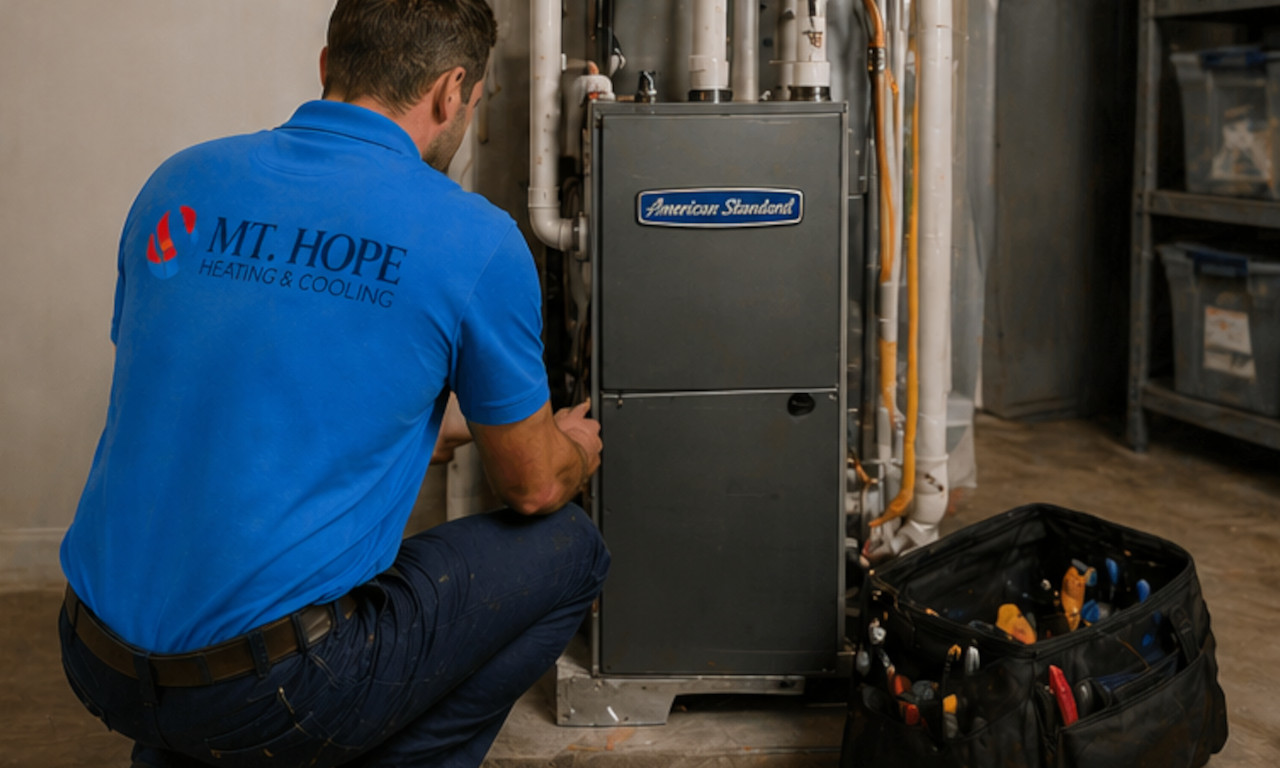
As the vibrant colours of fall deepen across Hamilton, Ancaster, Dundas, and our surrounding communities, the crisp air reminds us that reliable home heating is paramount. There’s nothing quite as frustrating as anticipating that warm, comforting blast of air, only for your furnace to kick on, run for a short period, and then unexpectedly shut off again. This common issue, known as 'short cycling,' doesn't just leave you feeling chilly; it can indicate a range of problems, some minor and easily fixed, others more serious and requiring professional attention.
At Mt. Hope Heating & Cooling Ltd., we’ve been helping families in Ontario stay warm and comfortable for over 40 years. Our trusted, family-run team understands the unique heating challenges faced by homeowners in Hamilton, Stoney Creek, Burlington, Grimsby, Waterdown, Binbrook, Oakville, Milton, Brantford, Caledonia, and beyond. Let's delve into the most common reasons why your furnace might be acting temperamental and what you can do about it.
Common Reasons Your Furnace Keeps Shutting Off
Understanding the potential culprits behind a short-cycling furnace is the first step toward a warmer, more efficient home. Here are the top reasons we encounter:
1. The Clogged Air Filter: A Simple Fix, Often Overlooked
This is by far the most common and easiest problem to resolve. A dirty, clogged air filter restricts airflow to your furnace. Imagine trying to breathe through a thick blanket – that's what your furnace is doing. When airflow is restricted, your furnace has to work harder, leading to overheating. To prevent damage, a safety mechanism called the 'limit switch' will then shut the furnace down prematurely. Once it cools, it tries to start again, perpetuating the short cycle.
- What to do: Check your furnace filter monthly, especially during peak heating seasons like fall and winter. If it looks dirty or discoloured, replace it immediately. Most manufacturers recommend changing filters every 1-3 months, but homes with pets or allergies might need more frequent changes.
2. Thermostat Troubles: It Might Not Be the Furnace At All
Sometimes, the issue isn't with the furnace itself, but with its command centre – the thermostat. Several thermostat-related problems can cause short cycling:
- Low Batteries: If your digital thermostat has low batteries, it might not be able to communicate effectively with your furnace, leading to erratic behaviour.
- Incorrect Settings: Ensure your thermostat is set to 'HEAT' and the fan is on 'AUTO' (not 'ON'). If the fan is always 'ON', it might blow air even when the furnace isn't actively heating, confusing the system.
- Poor Placement: If your thermostat is located near a heat source (like a sunny window, a lamp, or a kitchen appliance) or a cold draft, it might register an inaccurate room temperature, causing the furnace to turn off prematurely because it thinks the desired temperature has been reached.
- Faulty Wiring or Calibration: Over time, thermostat wiring can loosen, or the internal components can become faulty, sending incorrect signals.
- What to do: Replace thermostat batteries. Double-check all settings. Ensure there are no heat sources or drafts directly impacting the thermostat.
3. Pilot Light or Flame Sensor Issues: Safety First
For older furnaces, a flickering or extinguished pilot light can be the culprit. Newer, high-efficiency furnaces use an electronic ignition system and a flame sensor. The flame sensor's job is to detect if a flame is present after the gas valve opens. If it doesn't sense a flame, it tells the furnace to shut off the gas supply as a safety measure, preventing unburnt gas from accumulating.
- What to do: For older furnaces, you might be able to relight the pilot light following your furnace's instructions. For flame sensor issues, a dirty sensor is often the cause. While some DIY enthusiasts might attempt to gently clean it with fine-grit sandpaper, it's often best to leave this to a professional to avoid damaging delicate components.
4. Restricted Airflow Beyond the Filter: Blocked Vents and Ducts
Even with a clean filter, your furnace can struggle if airflow is restricted elsewhere. Blocked return air vents or supply registers can have the same effect as a dirty filter, causing your furnace to overheat and short cycle. This is especially common in homes where furniture, rugs, or drapes might inadvertently cover vents.
- What to do: Walk through your home and ensure all return air vents (usually larger, located on walls or ceilings) and supply registers (smaller, located on floors, walls, or ceilings) are completely unobstructed.
5. An Oversized Furnace: A Mismatch for Your Home
While less common for an existing furnace that suddenly starts short cycling, an improperly sized furnace can inherently lead to this problem. A furnace that's too powerful for your home will heat the space too quickly, reach the thermostat's set temperature, and shut off before it has completed a full heating cycle. This 'oversizing' leads to inefficient operation, uneven heating, and increased wear and tear.
- What to do: If you suspect your furnace might be oversized (perhaps it's always short-cycled since installation), a professional HVAC technician from Mt. Hope Heating & Cooling can perform a load calculation to determine if your furnace is the right fit for your home's unique heating needs.
6. Dirty Burners or Ignition Issues: Affecting Combustion
Over time, dust, dirt, and debris can accumulate on your furnace's burners. This accumulation can prevent the burners from igniting properly or producing a strong, consistent flame. If the flame is weak or intermittent, the flame sensor might not detect it reliably, leading to safety shutdowns and short cycling.
- What to do: Cleaning burners requires specialized tools and expertise. This is a task best left to certified professionals during an annual furnace tune-up.
7. Faulty Limit Switch: The Safety Sentinel
The limit switch is a crucial safety component that monitors the temperature inside your furnace's heat exchanger. If the temperature gets too high (often due to restricted airflow), the limit switch will shut down the burners to prevent overheating and potential damage. A faulty limit switch might either incorrectly sense high temperatures or fail to reset properly, causing your furnace to short cycle.
- What to do: A faulty limit switch requires professional diagnosis and replacement. This is not a DIY repair.
8. Blower Motor Problems: Moving the Air
The blower motor is responsible for circulating heated air throughout your home. If the blower motor is malfunctioning – perhaps it's weakened, obstructed, or has a faulty capacitor – it won't be able to move enough air. This again leads to overheating within the furnace, triggering the limit switch and causing short cycling.
- What to do: Blower motor issues often manifest as unusual noises (squealing, grinding) or weak airflow from vents. This is a complex mechanical issue that requires professional repair or replacement.
9. Cracked Heat Exchanger: A Serious Safety Concern
This is one of the most serious and potentially dangerous reasons for a furnace to shut off. The heat exchanger is where combustion gases transfer heat to the air distributed throughout your home. Cracks can allow dangerous carbon monoxide to leak into your living space. Furnaces have safety features to detect such issues and will often shut down if a crack is detected.
- What to do: If you suspect a cracked heat exchanger (signs include a strong, unusual odour, soot buildup, or a yellow/flickering pilot light), evacuate your home immediately and call a professional for an emergency inspection. This is a life-threatening situation and requires immediate attention.
When to Call the Professionals at Mt. Hope Heating & Cooling
While checking your filter, thermostat settings, and clear vents are excellent first steps, many of the issues causing your furnace to short cycle require the expertise of a certified HVAC technician. For anything beyond these simple checks, or if you're uncomfortable performing them, it’s always best to call in the experts.
Our team at Mt. Hope Heating & Cooling Ltd. has been proudly serving homeowners in Hamilton and the greater Golden Horseshoe region for decades. We understand the urgency of a reliable furnace, especially as winter approaches. Our experienced technicians can quickly diagnose the problem, explain your options clearly, and perform efficient, lasting repairs.
Preventative Maintenance: Your Best Defense Against Short Cycling
The best way to avoid your furnace shutting off unexpectedly is through regular, professional maintenance. An annual furnace tune-up in the fall ensures your system is clean, running efficiently, and all components are inspected for wear and tear before they become major problems. This proactive approach not only saves you from untimely breakdowns but can also extend the lifespan of your furnace and improve its energy efficiency.
Stay Warm and Comfortable This Fall and Winter!
Don't let a short-cycling furnace leave you in the cold this season. Whether it's a simple fix or a more complex repair, the team at Mt. Hope Heating & Cooling Ltd. is here to help. With 40+ years of experience, we’re your trusted local partner for all your heating and cooling needs across Hamilton, Ancaster, Dundas, Stoney Creek, Burlington, Grimsby, Waterdown, Binbrook, Oakville, Milton, Brantford, Caledonia, and surrounding areas.
For reliable furnace repair and maintenance, call us today at 905-679-0101 or visit us online at mthopehvac.com to schedule your service. Let us ensure your home stays warm and cozy all season long!
Need HVAC Help?
Our expert team is ready to help with all your heating and cooling needs.
Call 905-679-0101