Fall HVAC Maintenance Every Hamilton Homeowner Should Do
As the vibrant colours of fall descend upon Hamilton and surrounding areas, painting our landscapes with fiery reds and golden yellows, it's time to shift our focus from summer adventures to preparing our homes for the colder months ahead. A crucial part of this preparation involves your home's heating, ventilation, and air conditioning (HVAC) system. Neglecting your HVAC before winter can lead to chilly surprises, inflated energy bills, or even costly breakdowns when you need warmth the most.
At Mt. Hope Heating & Cooling Ltd., we've been serving our neighbours in Hamilton, Ancaster, Dundas, Stoney Creek, Burlington, Grimsby, Waterdown, Binbrook, Oakville, Milton, Brantford, and Caledonia for over 40 years. Our family-run business understands the unique demands Ontario winters place on your home's heating system. That's why we've put together this comprehensive guide to fall HVAC maintenance, covering both simple tasks you can do yourself and when it's time to call in the professionals.
Why Fall HVAC Maintenance Matters So Much
Before the real chill sets in, taking the time for fall HVAC maintenance offers several key benefits:
- Energy Efficiency: A well-maintained system doesn't have to work as hard, leading to lower energy consumption and significant savings on your utility bills.
- Extended Lifespan: Regular care helps prevent wear and tear, prolonging the life of your expensive HVAC equipment.
- Enhanced Safety: Professional checks can identify potential hazards like carbon monoxide leaks or faulty wiring before they become dangerous.
- Improved Comfort: An optimized system heats your home more evenly and reliably, keeping your family cozy all winter long.
- Preventative Measures: Catching small issues in the fall can prevent major, inconvenient, and expensive breakdowns in the dead of winter.
Essential Fall HVAC Maintenance Tasks Every Homeowner Can Do
You don't need to be an HVAC expert to perform some basic, yet vital, maintenance tasks that will significantly contribute to your system's efficiency and longevity. Here’s what we recommend:
1. Change Your Furnace Filter
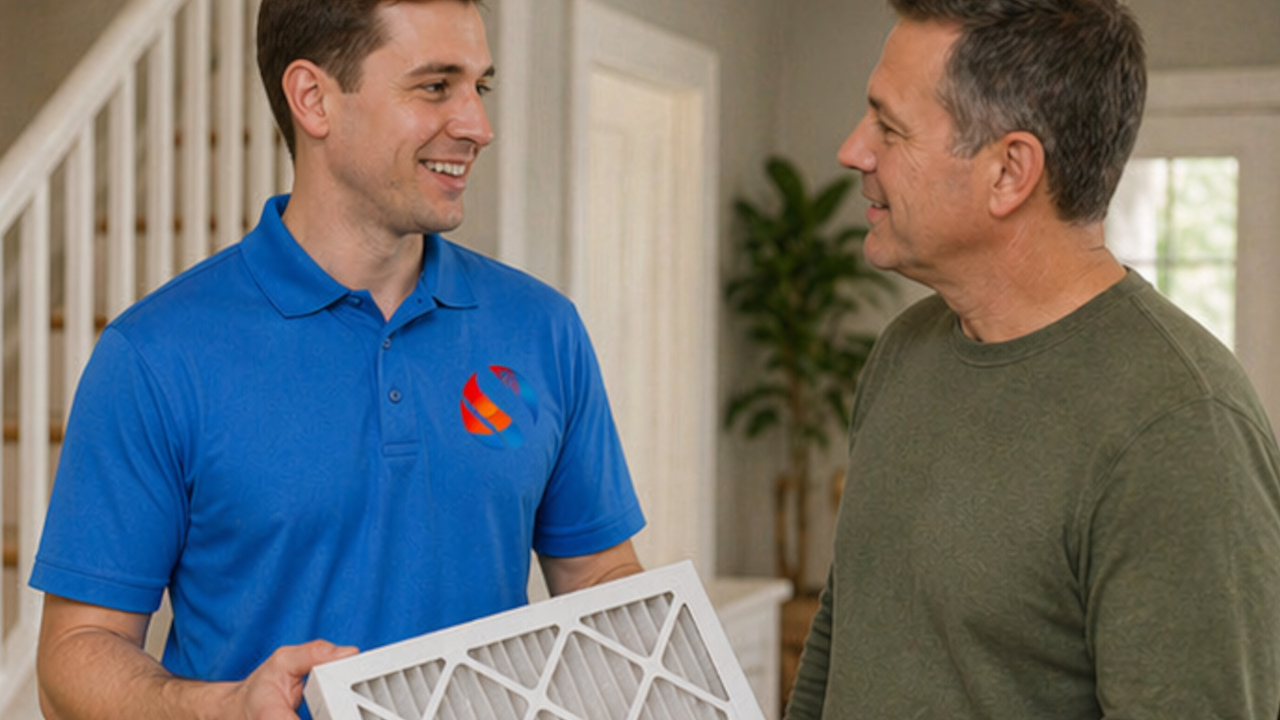
This is arguably the easiest and most impactful DIY task you can do. A dirty furnace filter restricts airflow, forcing your furnace to work harder, consuming more energy, and potentially leading to overheating. It also compromises your indoor air quality by failing to trap dust, pet dander, and other allergens.
- How to do it: Locate your furnace filter slot (usually on the return air duct or at the furnace itself). Note the size (printed on the filter). Remove the old filter, noting the direction of the airflow arrow. Insert a new, clean filter, ensuring the arrow points towards the furnace.
- Frequency: Check monthly and replace every 1-3 months, especially if you have pets, allergies, or during peak heating season.
2. Clear Vents and Registers
Ensure that all your heating vents and return air registers throughout your home are unobstructed. Furniture, rugs, or drapes can block airflow, creating cold spots and making your furnace work harder to heat your home evenly.
- How to do it: Walk through each room and make sure nothing is blocking the vents. Give them a quick vacuum or wipe down to remove dust and debris that can impede airflow.
3. Test Your Thermostat
Your thermostat is the brain of your HVAC system. A malfunctioning or improperly programmed thermostat can lead to wasted energy and discomfort.
- How to do it: Switch your thermostat from 'cool' to 'heat' mode and set the temperature a few degrees above your current room temperature. Listen for your furnace to kick on. Ensure it cycles on and off correctly. If you have a programmable thermostat, double-check that your fall/winter schedule is set correctly to maximize energy savings when you're away or asleep. Check the batteries and replace them if necessary.
4. Inspect Your Outdoor AC Unit (If Applicable)
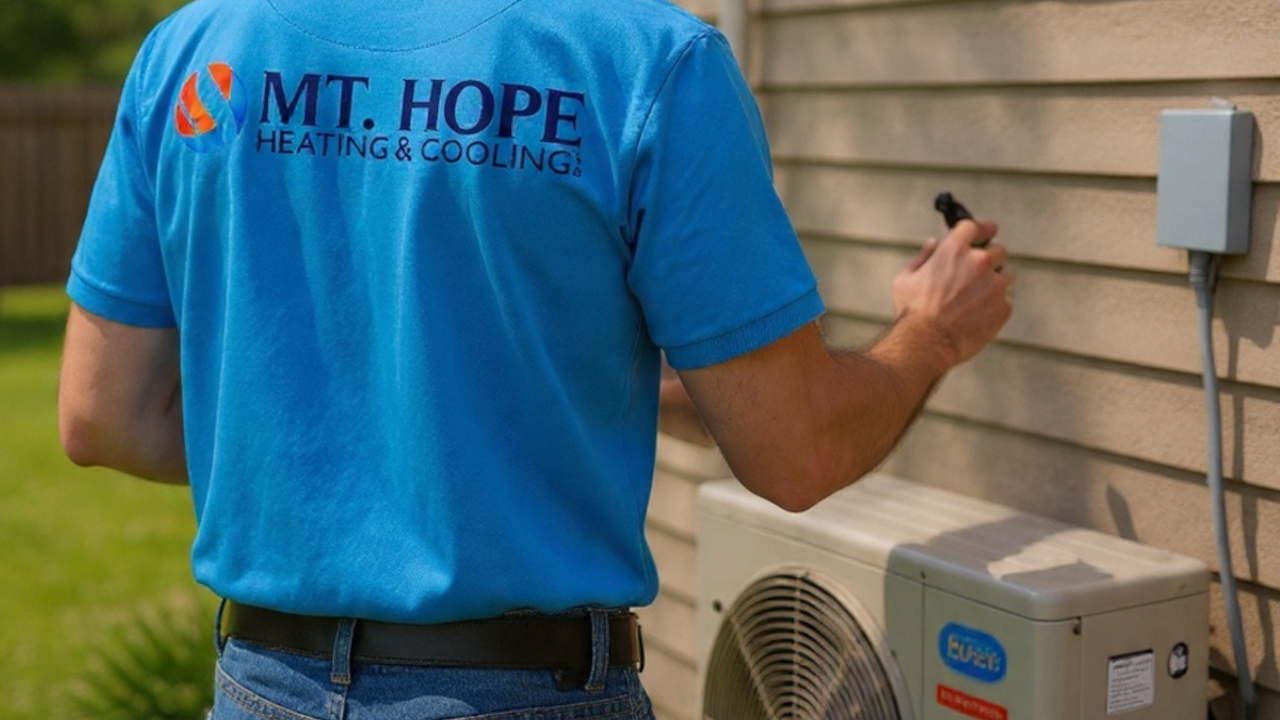
Even though your air conditioner won't be running in the winter, a quick fall check is still important. Clear away any leaves, twigs, or other debris that may have accumulated around the unit. While some homeowners choose to cover their AC unit for winter, it's not always necessary and can sometimes trap moisture, leading to rust. If you do cover it, ensure it's a breathable cover.
5. Check Carbon Monoxide Detectors
With heating season approaching, ensuring your carbon monoxide (CO) detectors are working is paramount for your family's safety. Carbon monoxide is an invisible, odourless, and deadly gas that can be produced by faulty heating systems.
- How to do it: Press the 'test' button on each detector to ensure it's functioning. Replace batteries annually, or as recommended by the manufacturer. If your detectors are older than 5-7 years, consider replacing them entirely.
6. Clean Around Your Furnace/Boiler
Keeping the area around your heating system clean and clear is essential for safety and optimal performance. Accumulation of dust, dirt, or stored items can restrict airflow and pose a fire hazard.
- How to do it: Vacuum around the furnace or boiler, ensuring air intake and exhaust vents are clear. Remove any flammable materials, paints, or chemicals from the immediate vicinity of the unit. Maintain at least a 2-foot clearance around your furnace.
7. Visually Inspect Ducts
While a full duct inspection requires professional tools, you can perform a quick visual check of accessible ductwork in your basement, attic, or crawl spaces. Look for obvious gaps, disconnected sections, or major dust build-up near registers.
- How to do it: If you spot any obvious leaks in accessible areas, you can temporarily seal them with specialized mastic or foil tape (not duct tape, which degrades quickly). Significant leaks or blockages warrant a professional inspection.
When to Call the Professionals: The Mt. Hope Heating & Cooling Difference
While the DIY tasks above are a great start, they don't replace the comprehensive inspection and tune-up provided by certified HVAC technicians. Think of it like changing your car's oil versus a full multi-point inspection.
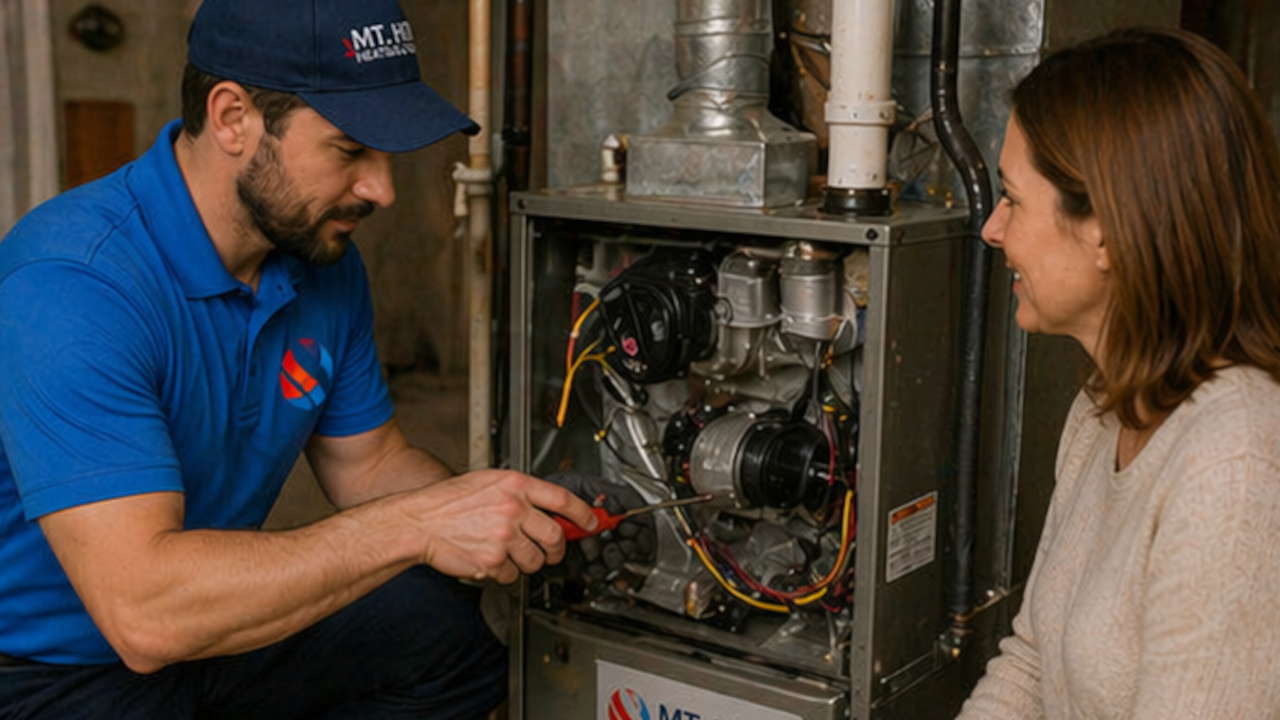
Our experienced technicians at Mt. Hope Heating & Cooling Ltd. go beyond the basics. A professional fall furnace tune-up typically includes:
- Thorough Safety Checks: Inspecting gas lines, heat exchanger for cracks, and igniter for proper function – crucial steps for preventing dangerous carbon monoxide leaks.
- System Calibration: Checking and adjusting gas pressure, thermostat calibration, and electrical connections to ensure peak efficiency.
- Component Inspection: Lubricating moving parts, inspecting the blower motor, fan, and belts for wear and tear.
- Performance Testing: Measuring airflow, temperature rise, and cycling to ensure your furnace is operating at its optimal level.
- Carbon Monoxide Testing: Using specialized equipment to detect even minute traces of CO.
A professional tune-up from Mt. Hope Heating & Cooling ensures your furnace is not just working, but working safely and efficiently, saving you money on energy bills and preventing unexpected breakdowns during the harshest winter days. Our team is ready to serve homeowners across our service area, from Hamilton and Dundas to Burlington and Brantford, ensuring your family stays warm and comfortable.
The Peace of Mind You Deserve
Investing in fall HVAC maintenance, both DIY and professional, is an investment in your home's comfort, safety, and your peace of mind. As the temperatures drop and the snow begins to fall across Ontario, you'll be glad you took the time to prepare your heating system.
Don't wait for the first deep freeze to discover your furnace isn't ready. Schedule your professional fall furnace tune-up with Mt. Hope Heating & Cooling Ltd. today. Our family is dedicated to keeping your family warm and safe all winter long. We're proud to be your trusted local HVAC experts for over 40 years.
Ready to ensure your home is winter-ready?
Call us at 905-679-0101 or visit us online at mthopehvac.com to book your service appointment. Let's make this winter your coziest yet!
Need HVAC Help?
Our expert team is ready to help with all your heating and cooling needs.
Call 905-679-0101