Beat the Hamilton Cold Snap: Your Guide to a Warm Home
As the vibrant colours of fall grace the trees across Hamilton, Ancaster, and Stoney Creek, a familiar chill begins to creep into the air. We all know what’s coming next: those famous, or infamous, Hamilton cold snaps. One day it’s crisp and beautiful, the next you’re bundling up and wondering if your furnace is truly ready for the deep freeze.
At Mt. Hope Heating and Cooling Ltd., we’ve been helping families in Hamilton and surrounding areas like Burlington, Grimsby, and Waterdown stay warm and comfortable for over 40 years. As a trusted, family-run business, we understand the unique challenges our local climate presents. This guide is packed with practical, actionable advice to help you prepare your home and ensure your family stays warm, no matter how low the mercury drops.
Why Hamilton's Cold Snaps Demand Preparation
Ontario winters, especially in the Golden Horseshoe region, are notorious for their sudden and dramatic temperature drops. A Hamilton cold snap isn't just a slight dip in temperature; it often brings biting winds, heavy snow, and prolonged periods below freezing. Without proper preparation, these conditions can lead to uncomfortable homes, sky-high heating bills, and even costly system breakdowns.
The key to beating the cold isn't just turning up the thermostat; it's about smart energy use, proactive maintenance, and ensuring your entire home acts as a fortress against the elements. Let’s dive into how you can achieve this.
Your Furnace: The Heart of Your Home’s Warmth
Your furnace is arguably the most critical component in your battle against the cold. Ensuring it’s in peak condition before winter hits is paramount.
1. Schedule a Professional Furnace Tune-Up
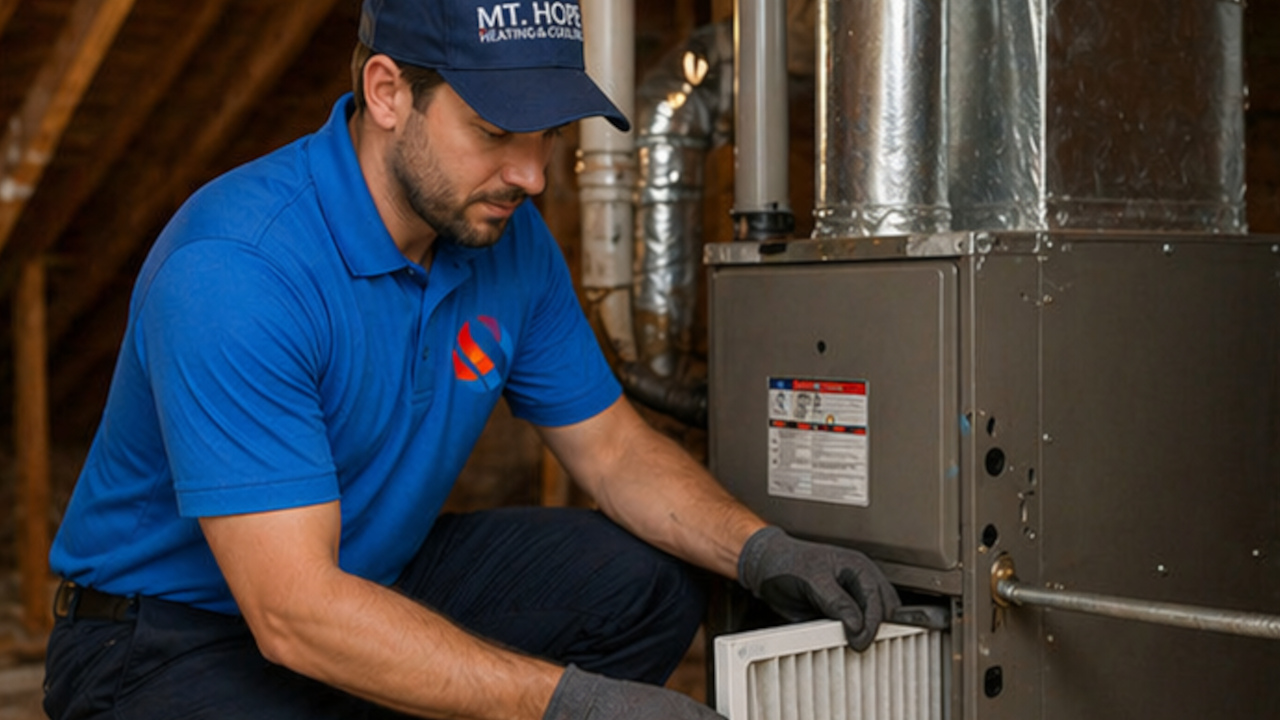
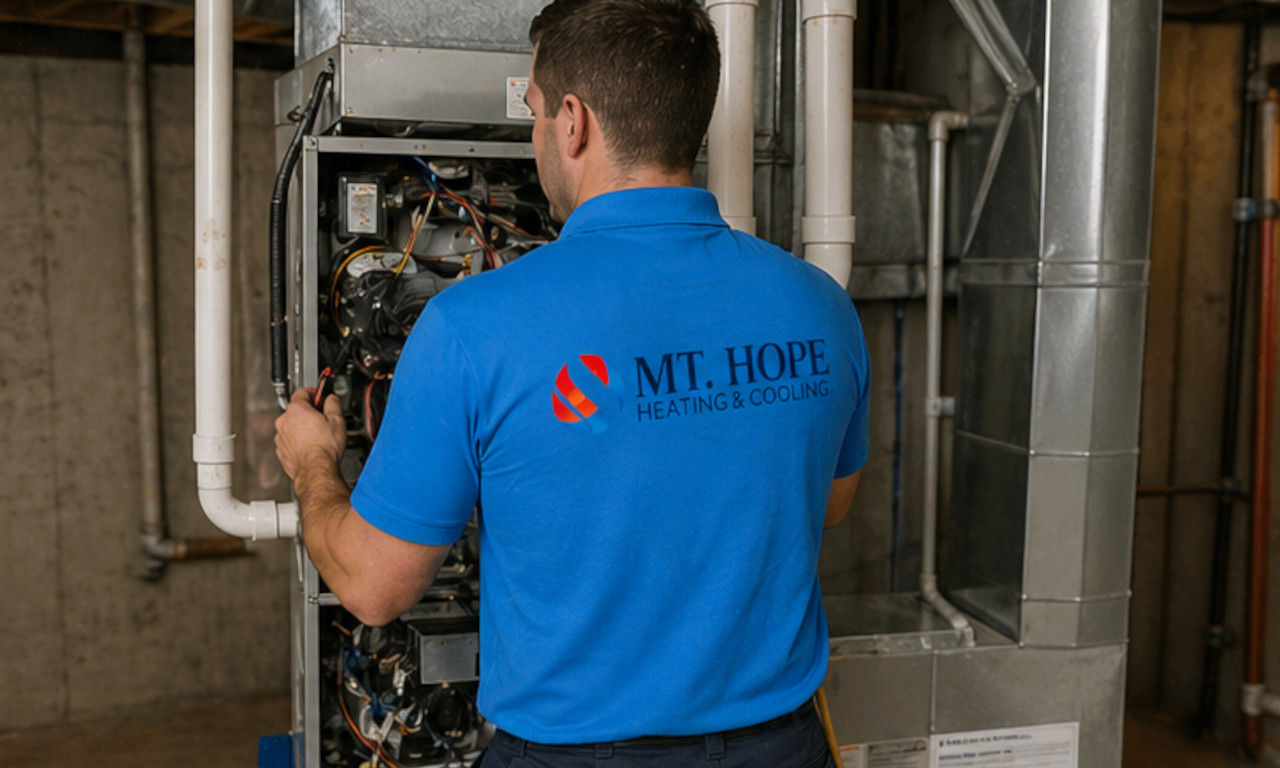
Fall is the absolute best time for a professional furnace inspection and tune-up. Just like you wouldn't embark on a long road trip without checking your car, your furnace needs a pre-winter check-up. Our certified technicians at Mt. Hope Heating and Cooling will thoroughly inspect your system, clean components, check for wear and tear, and ensure everything is running safely and efficiently. This preventative measure can:
- Improve energy efficiency, saving you money on utility bills.
- Extend the lifespan of your furnace.
- Identify potential issues before they become costly breakdowns in the dead of winter.
- Ensure safe operation, especially concerning carbon monoxide.
Don't wait until your furnace quits on the coldest night. A little preventative care goes a long way!
2. Replace Your Furnace Filter Regularly
This is a simple, yet incredibly effective, DIY task. A dirty furnace filter restricts airflow, forcing your furnace to work harder and consume more energy. It also compromises indoor air quality. During peak heating season, check your filter monthly and replace it every 1-3 months, or more frequently if you have pets or allergies.
3. Test Your Thermostat
Ensure your thermostat is working correctly. If you have a programmable or smart thermostat, make sure your settings are optimized for your family’s schedule to maximize comfort and minimize energy waste. Consider upgrading to a smart thermostat if you haven’t already – they offer incredible control and energy-saving features.
Seal the Deal: Insulate and Draft-Proof Your Home
Even the most efficient furnace will struggle if your home is leaking heat like a sieve. Tackling drafts and improving insulation are crucial steps.
1. Seal Windows and Doors
This is often the biggest culprit for heat loss. Walk around your home, especially near windows and doors, and feel for drafts. Simple solutions include:
- Weatherstripping: Apply new weatherstripping around doors and windows.
- Caulking: Seal any cracks or gaps around window frames and doorframes with exterior-grade caulk.
- Window Film Kits: Inexpensive plastic film kits can create an extra layer of insulation on older, drafty windows.
2. Check Your Insulation
Adequate insulation in your attic, walls, and basement is vital. If your home is older, you might be surprised how much heat you're losing. While adding insulation can be a bigger project, it offers significant long-term savings and comfort. Consider a professional home energy audit to pinpoint weak spots.
3. Use Curtains and Blinds Wisely
Heavy curtains and blinds can act as an extra layer of insulation. Keep them open during sunny fall and winter days to let natural warmth in, and close them as dusk approaches to trap heat inside.
Smart Habits for Energy Efficiency and Comfort
Beyond maintenance and sealing, adopting smart daily habits can make a big difference.
1. Optimize Your Thermostat Settings
Find a comfortable temperature and stick to it. Lowering your thermostat by even a few degrees for 8 hours a day (e.g., when you’re at work or sleeping) can save you significantly on heating costs. Most energy experts recommend around 20-21°C (68-70°F) when home and awake, and 17-19°C (62-66°F) when away or asleep.
2. Keep Vents Clear
Ensure all heating vents are open and unobstructed by furniture, curtains, or rugs. Blocked vents can disrupt airflow and create cold spots.
3. Utilize Space Heaters Safely and Sparingly
If you have a particularly chilly room, a space heater can provide temporary warmth. However, never leave them unattended, keep them away from flammable materials, and ensure they have tip-over protection. They are not meant to replace your central heating system.
4. Dress in Layers
It sounds simple, but dressing warmly indoors allows you to keep your thermostat a degree or two lower without sacrificing comfort.
5. Humidify Your Home
Dry winter air can feel colder than humid air. Using a humidifier can make your home feel warmer and more comfortable, plus it's better for your skin and respiratory health. Just be sure to clean your humidifier regularly to prevent mold growth.
Emergency Preparedness: When the Cold Snap Bites Hard
Despite all your best efforts, sometimes things go wrong. Being prepared for a furnace breakdown during a cold snap is crucial.
1. Know Your Furnace’s Basics
Familiarize yourself with your furnace's emergency shut-off switch and reset button. Sometimes, a simple reset is all it takes to get it running again. Check your circuit breaker too.
2. Have a Carbon Monoxide Detector
This is non-negotiable. Carbon monoxide is an odourless, colourless gas that can be deadly. Ensure your detectors are installed correctly and tested regularly, especially before winter. This is a critical safety measure that Mt. Hope Heating and Cooling always emphasizes.
3. Know Who to Call
If your furnace fails and simple troubleshooting doesn't work, don't hesitate to call the professionals. Mt. Hope Heating and Cooling offers reliable emergency service across Hamilton, Ancaster, Dundas, Stoney Creek, Burlington, Grimsby, Waterdown, Binbrook, Oakville, Milton, Brantford, and Caledonia. Our experienced technicians are ready to restore your warmth quickly and safely.
Stay Warm and Worry-Free This Winter
Preparing your home for a Hamilton cold snap doesn't have to be daunting. By taking these proactive steps – from a professional furnace tune-up to sealing drafts and adopting smart heating habits – you can ensure your home remains a warm, comfortable sanctuary all season long.
Remember, a little preparation in the fall goes a long way in ensuring peace of mind when winter truly arrives. If you have any concerns about your heating system or need expert advice, don't hesitate to reach out to your trusted local HVAC experts.
Ready to Ensure Your Home is Winter-Ready?
Don't let the next Hamilton cold snap catch you off guard. Contact Mt. Hope Heating and Cooling Ltd. today for a comprehensive furnace tune-up or any heating service you require. We're here to keep your family warm and safe, just as we have been for over four decades.
Call us at 905-679-0101 or visit mthopehvac.com to schedule your service!
Need HVAC Help?
Our expert team is ready to help with all your heating and cooling needs.
Call 905-679-0101