Why Your Furnace Might Be Blowing Weak or Cold Air in Fall
There’s nothing quite like the crisp, vibrant colours of an Ontario autumn. But as those leaves fall and the temperatures drop, you rely on your furnace more than ever to keep your Hamilton home warm and comfortable. So, when you feel a weak puff of air, or worse, a blast of cold air from your vents, it can be a real cause for concern. It’s not just uncomfortable; it’s a clear sign that something isn't right with your heating system.
At Mt. Hope Heating and Cooling Ltd., we’ve been helping families in Hamilton, Ancaster, Dundas, and beyond stay warm for over 40 years. We understand how frustrating and unsettling it can be when your furnace isn’t performing as it should. Let's explore the common reasons why your furnace might be blowing weak or cold air and what you can do about it.
Common Reasons Your Furnace is Blowing Weak or Cold Air
Identifying the root cause of weak or cold airflow is the first step toward a solution. Some issues are simple DIY fixes, while others require the expertise of a professional HVAC technician.
1. The Culprit You Can (Usually) Fix: A Dirty Air Filter
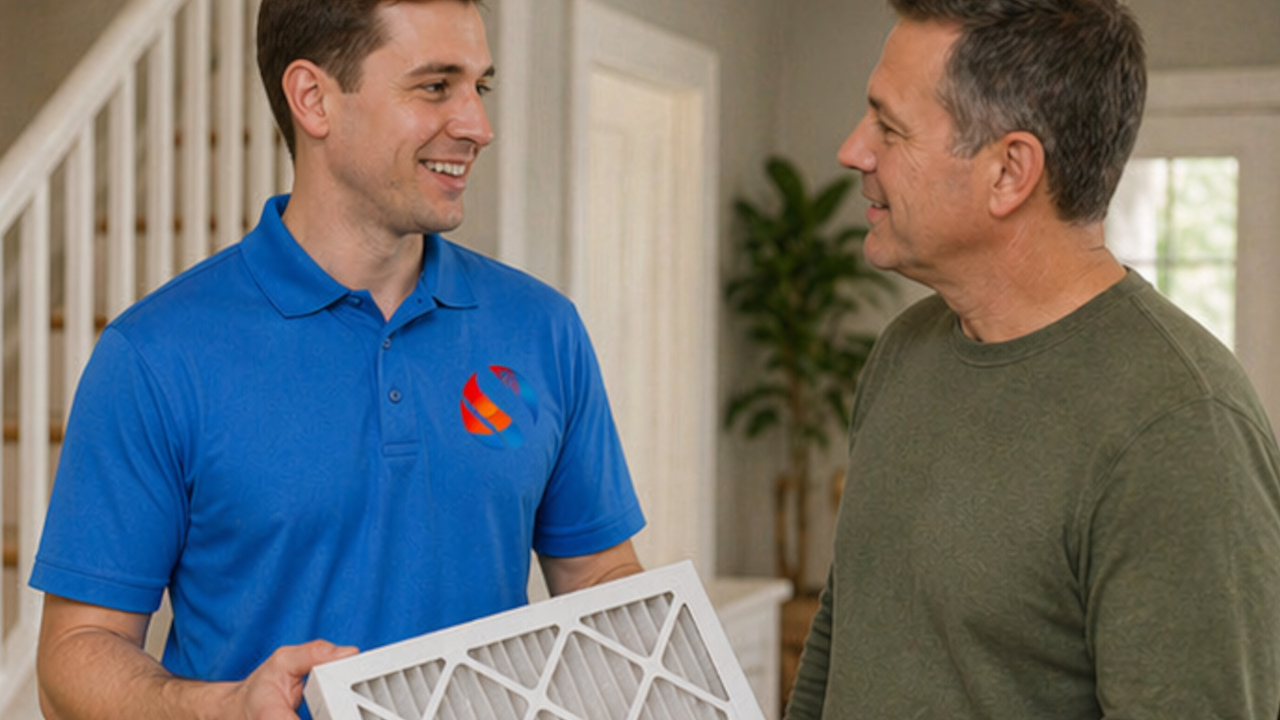
This is by far the most common and easiest problem to resolve. Your furnace filter is designed to trap dust, pet dander, and other airborne particles, protecting your system and improving your indoor air quality. However, a clogged filter restricts airflow, forcing your furnace to work harder and potentially leading to:
- Weak Airflow: Less air can pass through the dirty filter, reducing the volume of heated air reaching your rooms.
- Overheating: The furnace can overheat due to restricted airflow, causing it to shut down prematurely or cycle on and off frequently.
- Reduced Efficiency: A struggling furnace consumes more energy, leading to higher utility bills.
Actionable Advice: Check your furnace filter monthly, especially during peak heating seasons like fall and winter. If it looks grey and clogged, replace it! Most manufacturers recommend replacement every 1-3 months, but homes with pets or allergies might need more frequent changes. This simple step can make a huge difference.
2. Thermostat Troubles: Check Your Settings and Batteries
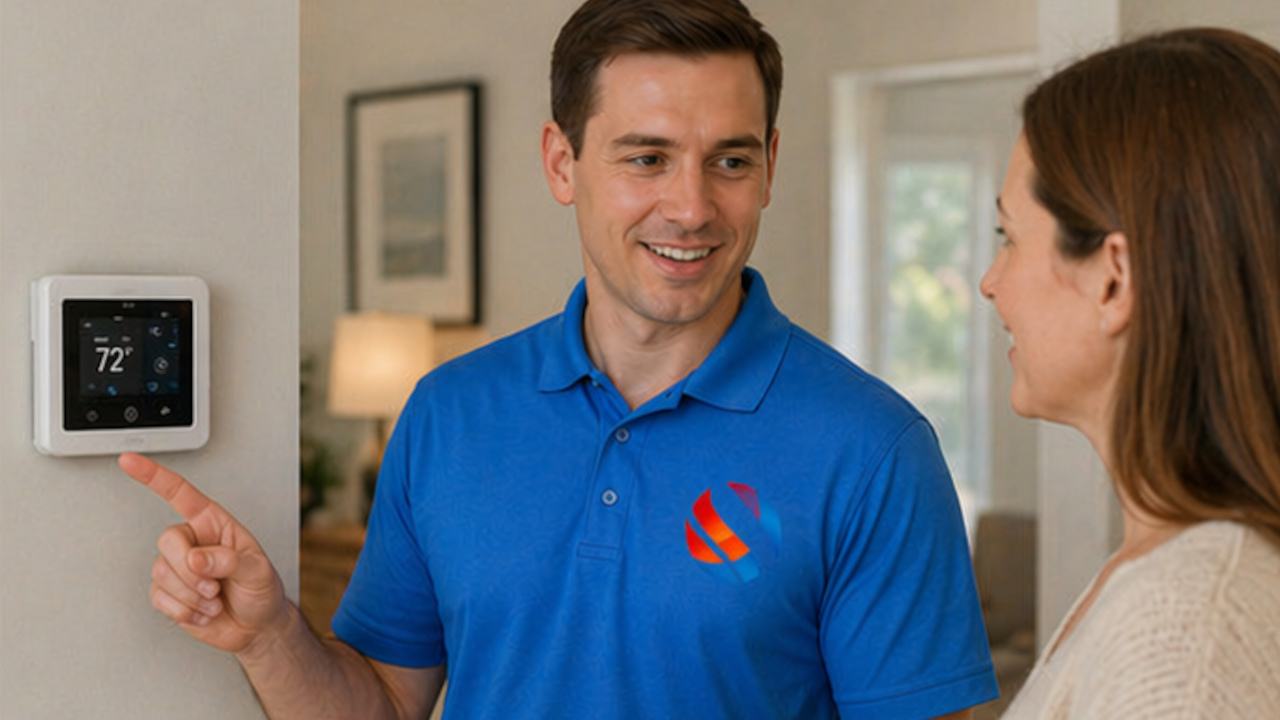
Your thermostat is the brain of your heating system. If it’s not communicating correctly, your furnace won't know what to do.
- Incorrect Settings: Ensure your thermostat is set to ‘HEAT’ and not ‘FAN’ (which only circulates unheated air) or ‘OFF’. Also, double-check that your desired temperature is set higher than the current room temperature.
- Dead Batteries: Many modern thermostats rely on batteries. If the display is blank or flickering, try replacing the batteries.
- Calibration Issues: Older or malfunctioning thermostats can sometimes give inaccurate readings, causing your furnace to cycle improperly.
Actionable Advice: Verify your thermostat settings. If it's battery-powered, swap out the old batteries for new ones. If you have a smart thermostat, check its schedule and ensure it hasn't defaulted to an energy-saving mode during your preferred heating times.
3. Pilot Light or Ignition System Problems
If your furnace isn't even producing heat, the issue might be with how it ignites the fuel.
- Pilot Light (Older Furnaces): If your furnace has a pilot light (a small, continuous flame), it might have gone out. This can happen due to drafts, clogs, or a faulty thermocouple.
- Electronic Ignition (Newer Furnaces): Most modern furnaces use an electronic ignition system (hot surface igniter or intermittent pilot). Issues here could stem from a faulty igniter, control board problems, or sensor failures.
Safety Note: If you smell gas, do NOT attempt to relight a pilot light. Evacuate your home immediately and call your gas provider and Mt. Hope Heating and Cooling from a safe location. For electronic ignition problems, it's best to call a professional as these systems can be complex and involve electrical components.
4. Restricted Airflow from Clogged Vents or Ductwork
Even if your furnace is producing heat, obstructions can prevent it from reaching your living spaces efficiently.
- Closed or Blocked Vents: Furniture, rugs, or even draperies can inadvertently block floor or wall registers. Ensure all supply vents are open and unobstructed.
- Leaky Ductwork: Over time, ductwork can develop cracks or loose connections, especially in older homes in areas like Burlington or Stoney Creek. This allows heated air to escape into unconditioned spaces (like your basement or attic) before it reaches your rooms, leading to weak airflow and higher energy bills.
- Ductwork Obstructions: Less common, but sometimes debris, pests, or even poorly installed duct liners can create blockages within the ducts themselves.
Actionable Advice: Walk through your home and ensure all heating vents are open and clear of obstructions. If you suspect duct leaks, a professional inspection is recommended to seal them properly.
5. Blower Motor Issues: The Heart of Air Circulation
The blower motor is responsible for pushing heated air through your ductwork and into your home. If it's struggling or failing, you'll experience weak or no airflow.
- Motor Capacitor Failure: The capacitor provides the initial electrical boost to start the motor. If it fails, the motor might hum but won't start, or it might run slowly.
- Worn Bearings: Over time, bearings can wear out, causing the motor to seize or run inefficiently, often accompanied by squealing or grinding noises.
- Overheating: A dirty filter or restricted airflow elsewhere can cause the blower motor to overheat and shut off.
Professional Help Recommended: Blower motor repairs or replacements are complex and best left to certified HVAC technicians like those at Mt. Hope Heating and Cooling. We service all makes and models in communities from Grimsby to Brantford.
6. Low Fuel Supply or Gas Valve Problems
If your gas furnace isn't getting enough fuel, it won't be able to generate heat.
- Gas Valve Issues: A faulty gas valve can restrict the flow of natural gas to the burners.
- Propane Tank Levels: If you use a propane furnace (common in some rural areas around Waterdown or Binbrook), check your tank levels.
Safety First: Any issues related to gas supply should be handled by qualified professionals. If you suspect a gas leak (smell of rotten eggs), follow the safety precautions mentioned earlier.
7. Cracked Heat Exchanger: A Serious Safety Concern
The heat exchanger is a critical component that separates the combustion gases from the air circulating into your home. A crack can allow dangerous carbon monoxide (CO) to mix with your breathable air. This is a severe safety hazard.
- Symptoms: Besides weak or cold air, signs of a cracked heat exchanger can include a persistent burning smell, soot accumulation, or a flickering pilot light. You might also experience headaches, dizziness, or nausea if CO is present.
Immediate Action: If you suspect a cracked heat exchanger, turn off your furnace immediately, open windows, and call for emergency HVAC service. Ensure you have working carbon monoxide detectors on every level of your home. This is not a DIY fix and requires immediate professional attention.
Don't Let the Cold Creep In: Preventative Maintenance is Key
Many of these issues can be prevented or caught early with annual furnace maintenance. Just like your car, your furnace needs a regular tune-up to run efficiently and safely. A professional inspection typically includes:
- Cleaning and inspecting components.
- Checking electrical connections.
- Lubricating moving parts.
- Testing safety controls.
- Verifying proper airflow and thermostat calibration.
- Inspecting for gas leaks and carbon monoxide.
Having your furnace inspected by a trusted company like Mt. Hope Heating and Cooling before the deep chill of winter sets in (ideally in the fall) can save you from unexpected breakdowns, costly repairs, and ensures your system is operating at peak efficiency, saving you money on energy bills.
When to Call the Experts at Mt. Hope Heating and Cooling
While some issues like a dirty filter or dead thermostat batteries are easy DIY fixes, many furnace problems require the skill and specialized tools of a professional HVAC technician. If you’ve checked the basics and your furnace is still blowing weak or cold air, or if you notice any unusual noises, smells, or safety concerns, it’s time to call in the pros.
Our certified technicians are equipped to diagnose and repair all types of furnace issues, ensuring your home stays warm and safe throughout the colder months. We proudly serve homeowners and businesses across Hamilton, Ancaster, Dundas, Stoney Creek, Burlington, Grimsby, Waterdown, Binbrook, Oakville, Milton, Brantford, and Caledonia.
Don't let a malfunctioning furnace leave you out in the cold this fall. Trust the family-run experts with over 40 years of experience.
Ready for Reliable Heat?
If your furnace is blowing weak or cold air, don't wait for winter to arrive. For expert furnace repair, maintenance, or replacement services, reach out to Mt. Hope Heating and Cooling today!
Call us at 905-679-0101 or visit mthopehvac.com to schedule your service. Your comfort is our priority!
Need HVAC Help?
Our expert team is ready to help with all your heating and cooling needs.
Call 905-679-0101