Fall HVAC Maintenance: Your Hamilton Home's Winter Prep Guide
As the vibrant greens of summer begin to soften into the golden hues of autumn, and the crispness returns to the morning air, it’s a gentle reminder that winter in Hamilton and surrounding areas isn't far behind. While you're still enjoying the last vestiges of warm weather, this transitional period is the absolute best time to turn your attention to your home's unsung hero: your HVAC system. Proactive fall HVAC maintenance isn't just about avoiding a chilly surprise; it's about ensuring your family's comfort, safety, and saving money on those inevitable heating bills.
At Mt. Hope Heating & Cooling Ltd., we’ve been helping homeowners across Hamilton, Ancaster, Dundas, Stoney Creek, Burlington, and beyond prepare for winter for over 40 years. We understand the unique challenges our climate presents, and we're here to guide you through the essential steps every homeowner should take to get their heating system ready for the cold.
Why Fall HVAC Maintenance Matters More Than You Think
You might be thinking, “My furnace worked fine last year, why bother now?” The truth is, your HVAC system works hard year-round, and the transition from cooling to heating is a critical time to address any potential issues. Here’s why fall maintenance is non-negotiable:
- Boost Energy Efficiency: A well-maintained system runs more efficiently, meaning it uses less energy to heat your home. This translates directly to lower utility bills, which is welcome news as energy costs continue to rise.
- Prevent Costly Breakdowns: The last thing anyone wants is their furnace failing on the coldest night of the year. Fall maintenance allows technicians to catch minor issues before they escalate into major, expensive repairs.
- Extend System Lifespan: Regular care reduces wear and tear on components, helping your furnace and air conditioner last longer, delaying the need for costly replacements.
- Ensure Safety: For gas furnaces, proper maintenance is crucial for detecting potential gas leaks or carbon monoxide issues, protecting your family’s health and safety.
- Improve Indoor Air Quality: Clean filters and components mean cleaner air circulating through your home, reducing allergens and pollutants.
Your Essential DIY Fall HVAC Maintenance Checklist
Before you call in the professionals, there are several simple yet effective tasks you can perform yourself to prepare your HVAC system for the colder months. These actionable steps can make a big difference in your system's performance and your home's comfort:
1. Change or Clean Your Air Filters
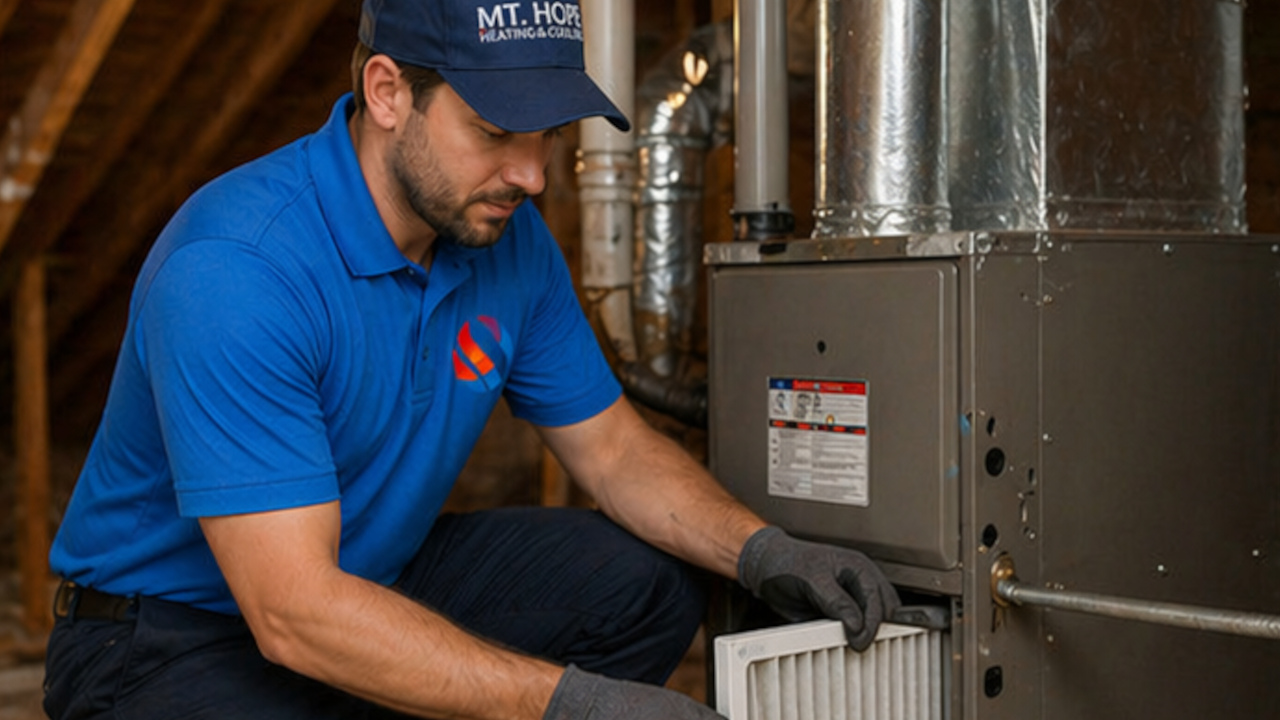
This is arguably the easiest and most impactful DIY task. Over the summer, your AC unit likely worked hard, accumulating dust, pet dander, and other airborne particles in your filter. A dirty filter restricts airflow, forcing your furnace to work harder, increasing energy consumption and potentially leading to system strain. Check your filter monthly and replace it every 1-3 months, or more frequently if you have pets or allergies. There are various filter types, from basic disposable fiberglass to pleated filters with higher MERV ratings for better air purification.
2. Clear Debris Around Your Outdoor Unit (AC)
Even though your air conditioner won't be running much longer, the outdoor unit is still a critical part of your overall HVAC system. Leaves, twigs, grass clippings, and other debris can accumulate around it, especially as fall progresses. Ensure the area around the condenser unit is clear of obstructions, maintaining at least two feet of clear space. This not only prevents future blockages but also protects the unit from potential damage. Remember to turn off the power to the unit at the disconnect box before cleaning.
3. Test and Program Your Thermostat
Your thermostat is the brain of your HVAC system. Take some time to test it by switching your system from 'cool' to 'heat' and ensuring it responds correctly. If you have a programmable or smart thermostat, now is the perfect time to program it with your fall and winter schedule. Setting back the temperature when you're away or asleep can lead to significant energy savings without sacrificing comfort when you're home.
4. Inspect Vents and Registers
Walk through your home and ensure all heating vents and return air registers are open, unobstructed, and clean. Furniture, rugs, or drapes can block airflow, creating uneven heating and forcing your system to work harder. Give them a quick vacuum or wipe down to remove any accumulated dust.
5. Test Smoke and Carbon Monoxide Detectors
While not strictly HVAC, these detectors are crucial for your family's safety, especially as heating systems become active. Test them monthly and replace batteries at least once a year. If your home has fuel-burning appliances like a gas furnace, a working carbon monoxide detector is absolutely vital.
6. Visual Inspection of Your Furnace Area
Take a quick look around your furnace. Are there any strange smells (other than the initial
Need HVAC Help?
Our expert team is ready to help with all your heating and cooling needs.
Call 905-679-0101