Carbon Monoxide Safety: Protecting Your Family This Fall in Ontario
As the vibrant hues of fall paint the landscapes of Hamilton, Ancaster, and Burlington, we naturally turn our attention indoors. Cozy evenings by the fireplace, warm meals from the stove, and the comforting hum of a furnace working to keep out the chill become the hallmarks of the season. However, with this warmth comes a hidden, silent danger: carbon monoxide (CO). At Mt. Hope Heating & Cooling Ltd., your trusted, family-run HVAC experts with over 40 years of experience, we believe that an informed community is a safe community. That's why we’ve put together this comprehensive guide to carbon monoxide safety for our neighbours across Ontario.
What is Carbon Monoxide (CO)? The Silent Killer
Carbon monoxide is often called 'the silent killer' for a very good reason: it’s an invisible, odorless, tasteless, and non-irritating gas. This makes it incredibly dangerous, as you can be exposed to lethal levels without even realizing it. CO is produced when fuels like natural gas, propane, oil, wood, kerosene, and charcoal burn incompletely. In your home, this can happen if fuel-burning appliances are not properly maintained, vented, or if their exhaust systems are blocked.
Common Sources of Carbon Monoxide in Your Hamilton Home
While often associated with furnaces, CO can originate from several places within and around your home. Being aware of these sources is the first step in prevention:
- Furnaces and Boilers: Especially older units or those that haven't been regularly inspected.
- Water Heaters: Gas-powered models can be a significant source if malfunctioning.
- Gas Stoves and Ovens: Using a gas oven for heat, or a range that isn't properly vented.
- Fireplaces and Wood Stoves: If chimneys are blocked or not cleaned regularly.
- Clothes Dryers: Gas-powered dryers with obstructed vents.
- Barbecues and Portable Generators: Never to be used indoors or in enclosed spaces, including garages.
- Automobiles: Leaving a car running in an attached garage, even with the garage door open.
Recognizing the Symptoms of Carbon Monoxide Poisoning
One of the most insidious aspects of CO poisoning is that its initial symptoms often mimic common illnesses like the flu, food poisoning, or a cold. This makes early detection challenging. It’s crucial to know the signs and act quickly if you suspect CO exposure:
- Mild Exposure: Headache, dizziness, nausea, fatigue, shortness of breath.
- Moderate Exposure: Severe headache, drowsiness, confusion, vomiting, impaired coordination.
- Extreme Exposure: Chest pain, convulsions, unconsciousness, brain damage, coma, and death.
Pay attention to patterns: Do these symptoms disappear when you leave the house and return when you come back? Are multiple family members, including pets, experiencing similar symptoms? Pets often show signs of CO poisoning before humans do, becoming lethargic or showing neurological symptoms.
Practical, Actionable Carbon Monoxide Safety Measures for Ontario Homeowners
Protecting your family from CO poisoning is largely about proactive prevention and preparedness. Here are essential steps every homeowner in Hamilton, Ancaster, Dundas, Stoney Creek, Burlington, Grimsby, Waterdown, Binbrook, Oakville, Milton, Brantford, and Caledonia should take:
1. Install and Maintain Carbon Monoxide Detectors
This is your first line of defense. CO detectors are mandatory on every level of your home in Ontario and outside all sleeping areas. They are designed to sound an alarm when CO is detected, giving you precious time to react.
- Placement: Install detectors on every storey of your home and outside all sleeping areas. Consider placing one near your furnace and another in the garage if it's attached.
- Testing: Test your CO detectors monthly by pressing the 'test' button.
- Battery Replacement: Replace batteries annually, or as recommended by the manufacturer.
- Replacement Schedule: CO detectors don't last forever. Most models need to be replaced every 5-7 years. Check the manufacturer's date on the back of your unit.
2. Schedule Annual Appliance Maintenance
Your furnace, water heater, and other fuel-burning appliances are complex machines. Over time, components can degrade, leading to inefficient burning and potential CO leaks. This is where the expertise of a professional, like the certified technicians at Mt. Hope Heating & Cooling Ltd., becomes invaluable.
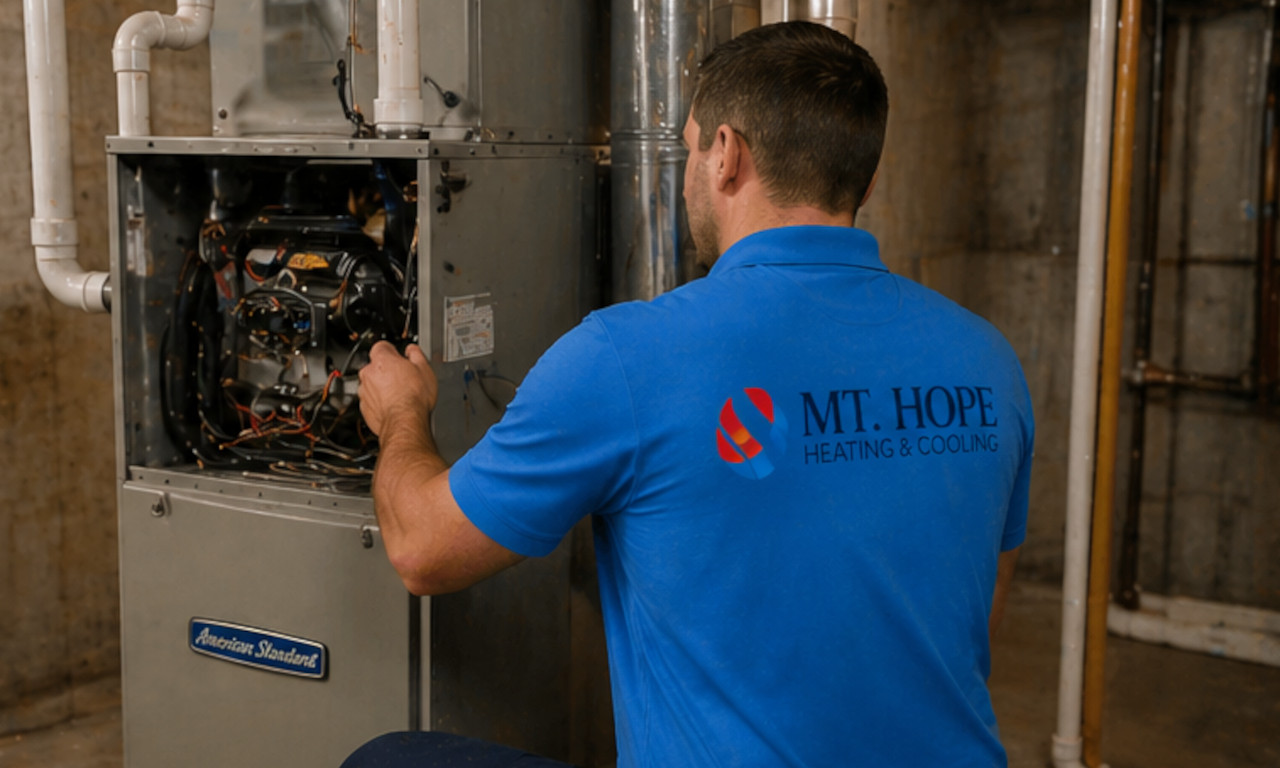
- Furnace and Boiler Inspections: Have your heating system inspected and tuned up by a qualified HVAC technician every fall before heavy usage begins. This ensures proper ventilation and combustion.
- Water Heater Checks: Ensure your gas water heater is also part of your annual inspection routine.
- Fireplace and Chimney Cleaning: If you have a wood-burning fireplace or stove, have your chimney inspected and cleaned annually to prevent blockages.
3. Ensure Proper Ventilation
Good ventilation is key to preventing CO buildup.
- Never Block Vents: Ensure all exhaust vents for appliances (furnaces, water heaters, dryers) are clear of snow, debris, or bird nests, especially during winter.
- Use Exhaust Fans: Always use your range hood when cooking with a gas stove.
4. Safe Use of Fuel-Burning Appliances
- Generators and BBQs: NEVER use portable generators, charcoal grills, or propane barbecues inside your home, garage, or any enclosed space. They produce extremely high levels of CO.
- Ovens for Cooking Only: Do not use your gas oven or range as a heat source for your home.
- Vehicle Safety: Never leave a car running in an attached garage, even if the garage door is open.
What To Do If Your Carbon Monoxide Alarm Sounds or You Suspect CO
Immediate action is critical if your CO detector alarms or if you suspect CO poisoning without an alarm:
- Evacuate Immediately: Get everyone, including pets, out of the house and into fresh air.
- Call 911: From a safe location, call 911 or your local fire department. Do not re-enter your home until emergency responders have deemed it safe.
- Seek Medical Attention: If anyone is experiencing symptoms of CO poisoning, seek medical help immediately.
Why Choose Mt. Hope Heating & Cooling Ltd. for Your Safety?
When it comes to the safety of your home and family, you need a partner you can trust. With over 40 years of experience serving Hamilton, Ancaster, Dundas, Stoney Creek, Burlington, Grimsby, Waterdown, Binbrook, Oakville, Milton, Brantford, and Caledonia, Mt. Hope Heating & Cooling Ltd. is your trusted partner for comprehensive HVAC services and carbon monoxide safety. Our certified, friendly technicians are not just experts in heating and cooling; they are dedicated to ensuring your systems operate efficiently and, most importantly, safely. We understand the unique needs of Ontario homes and are committed to providing professional, reliable service.
Your Family's Safety is Our Priority
Carbon monoxide poisoning is a preventable tragedy. By taking proactive steps – installing and maintaining CO detectors, scheduling annual professional inspections for your fuel-burning appliances, and practicing safe habits – you can significantly reduce the risk and ensure your family breathes easy this fall and throughout the year. Don't wait until it's too late.
For peace of mind and expert HVAC service, trust the local family who cares. To schedule your annual furnace inspection or for any carbon monoxide safety concerns, reach out to Mt. Hope Heating & Cooling Ltd. today. We're here to help keep your home warm, comfortable, and safe.
Call us at 905-679-0101 or visit mthopehvac.com to learn more about our services and commitment to your family's safety.
Need HVAC Help?
Our expert team is ready to help with all your heating and cooling needs.
Call 905-679-0101