Carbon Monoxide Safety: Protecting Your Hamilton Family
As the vibrant hues of spring begin to paint Hamilton and the surrounding areas, many of us are turning our thoughts to outdoor activities, gardening, and enjoying the milder weather. While the chill of winter might be fading, it's crucial not to let our guard down on an invisible threat that can be present in our homes year-round: carbon monoxide (CO).
Known as the "silent killer," carbon monoxide is a colourless, odourless, and tasteless gas that can be deadly if inhaled. At Mt. Hope Heating & Cooling Ltd., your trusted, family-run HVAC partner for over 40 years, we believe that an informed community is a safe community. Our commitment extends beyond just keeping your home comfortable; it's about ensuring your family's well-being. This spring, let's take a proactive approach to carbon monoxide safety.
What is Carbon Monoxide and Why is it So Dangerous?
Carbon monoxide is a byproduct of incomplete combustion. This means it's produced when fuels like natural gas, propane, oil, wood, charcoal, and gasoline don't burn completely. In your home, common sources include:
- Furnaces and boilers
- Gas water heaters
- Gas stoves and ovens
- Fireplaces and wood-burning stoves
- Clothes dryers
- Space heaters
- Barbecues and portable generators (when used indoors)
- Motor vehicles (when idled in an attached garage)
The danger lies in CO's ability to quickly and silently replace oxygen in your bloodstream. When this happens, vital organs like your heart and brain are deprived of oxygen, leading to serious health issues, permanent damage, or even death. Because you can't see, smell, or taste it, CO poisoning can occur without any warning signs until it's too late.
Recognizing the Symptoms of CO Poisoning
The early symptoms of carbon monoxide poisoning often mimic the flu, making it easy to misdiagnose. These include:
- Headache
- Dizziness
- Nausea and vomiting
- Fatigue
- Shortness of breath
- Confusion
- Chest pain
Prolonged exposure can lead to loss of consciousness, brain damage, and death. If you or a family member experience these symptoms, especially when others in the home also feel unwell, or if symptoms improve when you leave the house, suspect CO poisoning immediately.
Essential Carbon Monoxide Safety Tips for Your Home
Protecting your family from carbon monoxide requires a multi-faceted approach. Here are practical, actionable steps you can take:
1. Install and Maintain Carbon Monoxide Detectors
This is your first and most critical line of defence. In Ontario, it's the law: every home with a fuel-burning appliance or an attached garage must have working CO alarms.
- Placement: Install CO detectors on every level of your home, especially near sleeping areas. For maximum protection, place one within 5 meters (16 feet) of each bedroom door.
- Types: Choose detectors that are battery-operated, plug-in with battery backup, or hardwired.
- Test Regularly: Just like smoke detectors, test your CO alarms monthly using the test button.
- Check Expiry Dates: CO alarms don't last forever. They typically have a lifespan of 5-7 years. Check the manufacturer's expiry date on the back of your unit and replace it accordingly. Spring is an excellent time to make this check!
2. Schedule Annual HVAC Maintenance
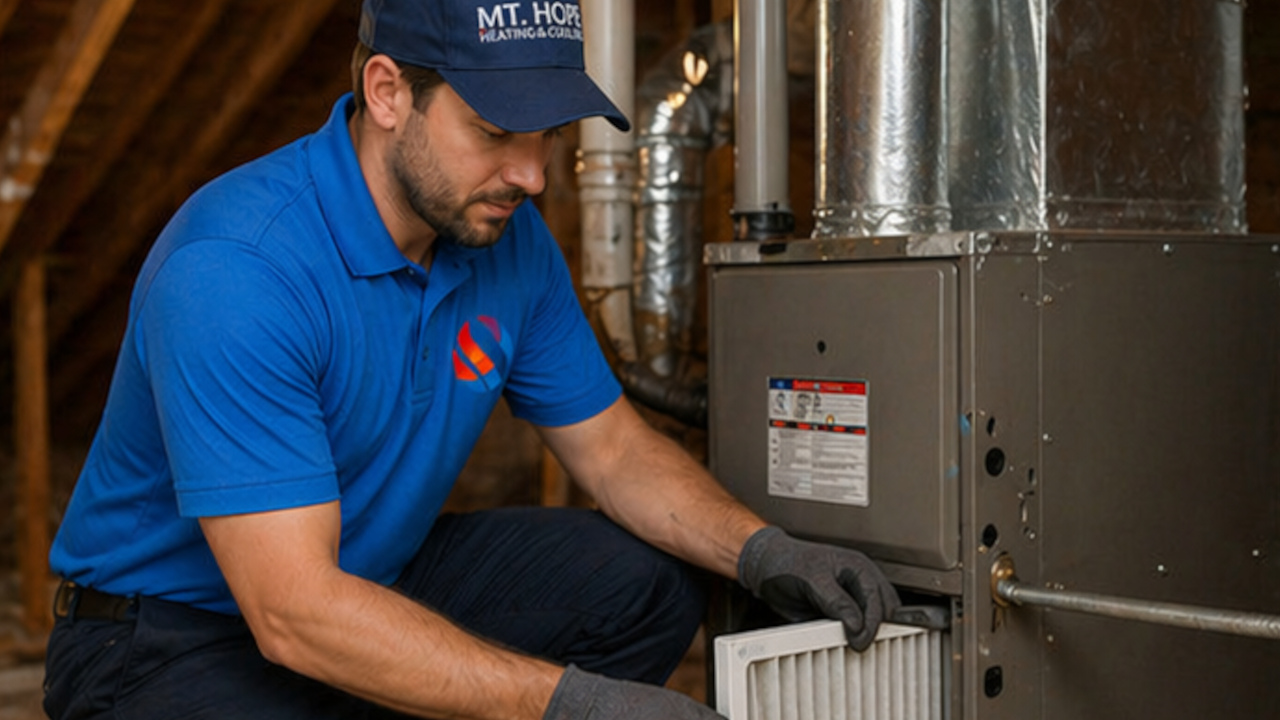
Your furnace, gas water heater, and other fuel-burning appliances are potential sources of CO. Regular professional maintenance is crucial for ensuring they operate safely and efficiently.
- Professional Inspections: Our certified technicians at Mt. Hope Heating & Cooling have over four decades of experience servicing homes across Hamilton, Ancaster, Dundas, Stoney Creek, Burlington, Grimsby, Waterdown, Binbrook, Oakville, Milton, Brantford, and Caledonia. They can identify and address potential CO hazards, such as cracked heat exchangers, blocked flues, or faulty burners, before they become dangerous.
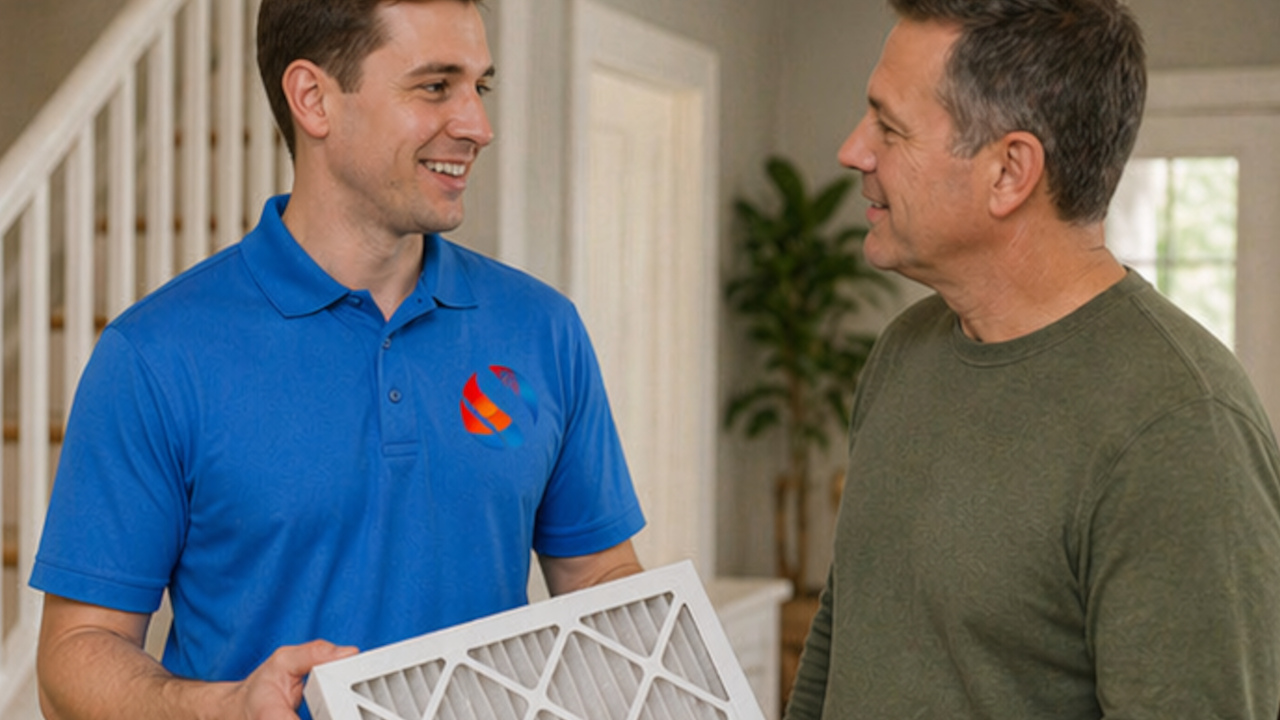
- Preventative Care: An annual tune-up isn't just about efficiency; it's a vital safety check. Even in spring when your furnace might be less active, your gas water heater is still working daily. A quick inspection can prevent a serious issue.
- Chimney and Vent Checks: Ensure your fireplace chimney and appliance vents are clear of obstructions like bird nests, debris, or rust that could impede proper venting of combustion gases.
3. Ensure Proper Ventilation
Good airflow and proper venting are essential to prevent CO buildup.
- Exhaust Fans: Always use exhaust fans when cooking with gas stoves or operating clothes dryers.
- Never Use Unvented Appliances Indoors: This includes charcoal grills, propane heaters, or portable generators. They are designed for outdoor use only and can quickly produce dangerous levels of CO in enclosed spaces. Even using a gas oven to heat your home is extremely dangerous.
- Vehicle Exhaust: Never idle your car, truck, or motorcycle in an attached garage, even with the garage door open. Move vehicles outdoors immediately.
4. Use Appliances Safely and Correctly
- Gas Appliances: Ensure gas stoves, ovens, and dryers are installed and maintained by qualified professionals. Never use a gas range or oven for heating your home.
- Fireplaces: Have your chimney inspected and cleaned annually by a professional to ensure it's free of blockages and properly drafting.
- Generators: If you use a portable generator during a power outage, always place it outdoors, at least 20 feet away from your home, windows, and doors. Direct the exhaust away from your home.
5. Know What To Do If Your CO Detector Alarms
If your carbon monoxide detector goes off, or if you suspect CO poisoning:
- Evacuate Immediately: Get everyone, including pets, out of the house and into fresh air. Do not hesitate.
- Call 911: Once safely outside, call 911 or your local emergency services.
- Do Not Re-Enter: Do not go back inside until emergency personnel have cleared your home and determined it is safe.
Spring Into Safety: A Seasonal Reminder
While carbon monoxide threats are often associated with winter when furnaces are running constantly, spring offers a perfect opportunity to reassess your home's safety:
- Check Batteries: As you spring forward with daylight saving, it's a great habit to check or replace the batteries in your CO alarms.
- Schedule Maintenance: Beat the fall rush! Spring is an ideal time to schedule your annual furnace and water heater maintenance. This ensures your systems are clean and ready for the next heating season, and more importantly, that they are not silently producing CO.
- Clean Vents: Clear out dryer vents and outdoor exhausts that might have accumulated debris over winter.
Taking these proactive steps now can provide peace of mind for the entire year.
Your Trusted Partner in Home Safety
For over 40 years, Mt. Hope Heating & Cooling Ltd. has been dedicated to the safety and comfort of families across Hamilton and our extensive service area, including Ancaster, Dundas, Stoney Creek, Burlington, Grimsby, Waterdown, Binbrook, Oakville, Milton, Brantford, and Caledonia. We understand the unique challenges and needs of Ontario homeowners.
Our team of certified and experienced technicians are not just experts in heating and cooling; they are committed to ensuring your home's systems operate safely, protecting you from dangers like carbon monoxide. From professional CO detector installation to comprehensive furnace and water heater maintenance, we are here to help.
Don't leave your family's safety to chance. Make carbon monoxide awareness a priority in your home. For expert advice, installation, or maintenance, trust the local specialists at Mt. Hope Heating & Cooling.
Protect your family from the silent killer. Call us today at 905-679-0101 or visit mthopehvac.com to schedule your annual safety check.
Need HVAC Help?
Our expert team is ready to help with all your heating and cooling needs.
Call 905-679-0101